How to Catch Look-Ahead Bias When the Code Never Looks Ahead
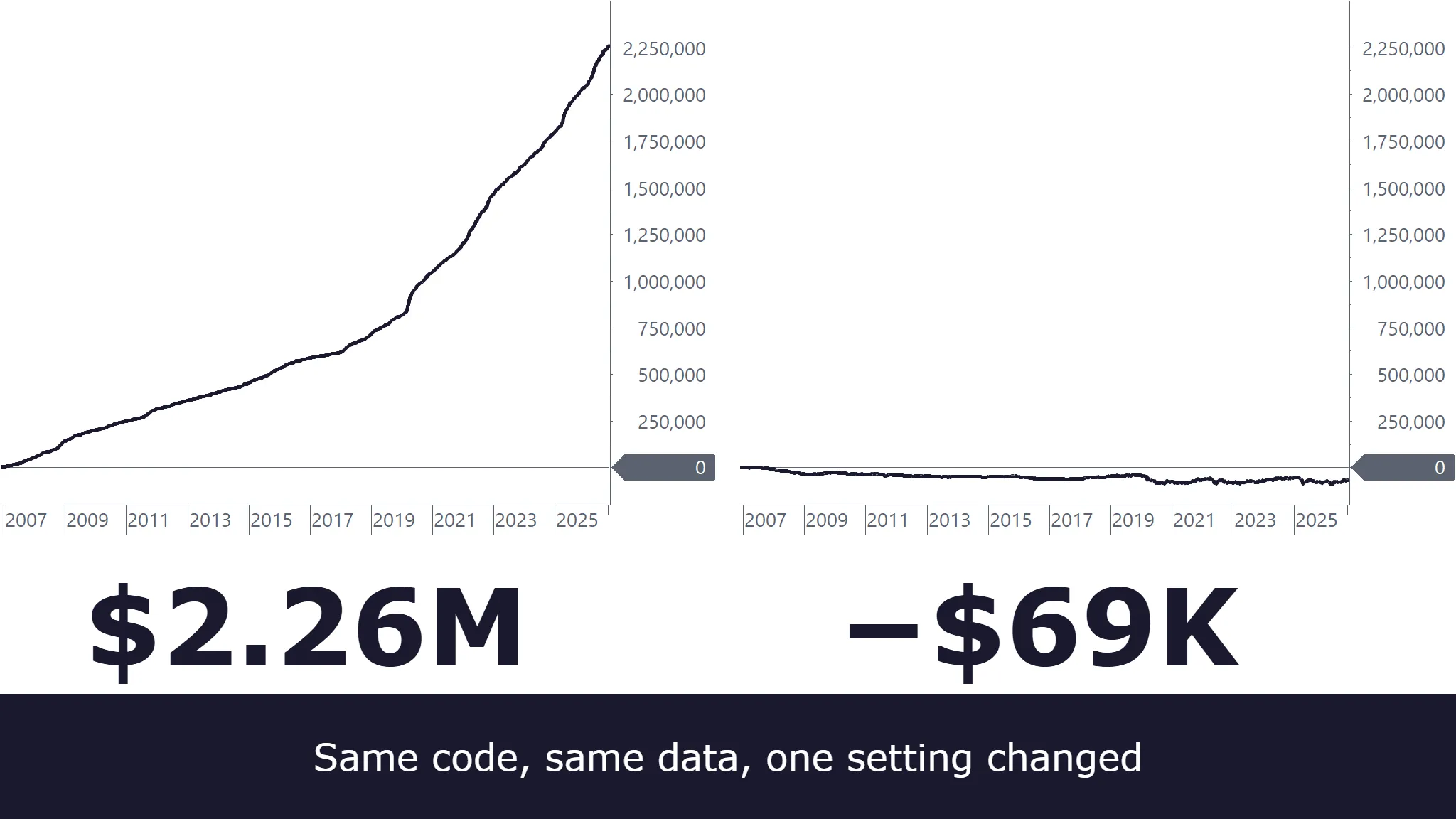
With one setting enabled, the code knew at the open how the Nasdaq would close, turning a $69,000 loss into a $2.26 million gain.
8 articles tagged “Trading”.
With one setting enabled, the code knew at the open how the Nasdaq would close, turning a $69,000 loss into a $2.26 million gain.
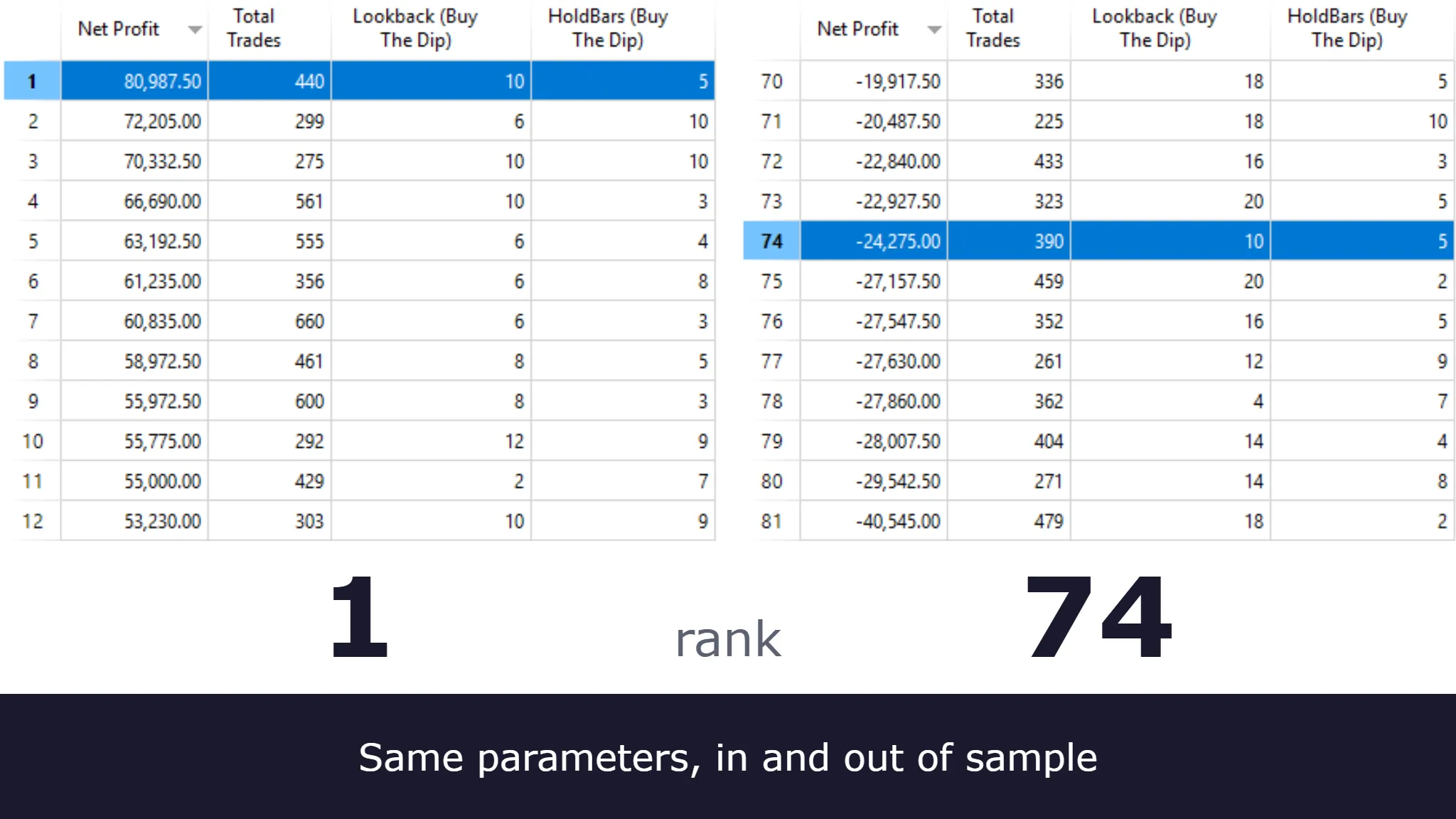
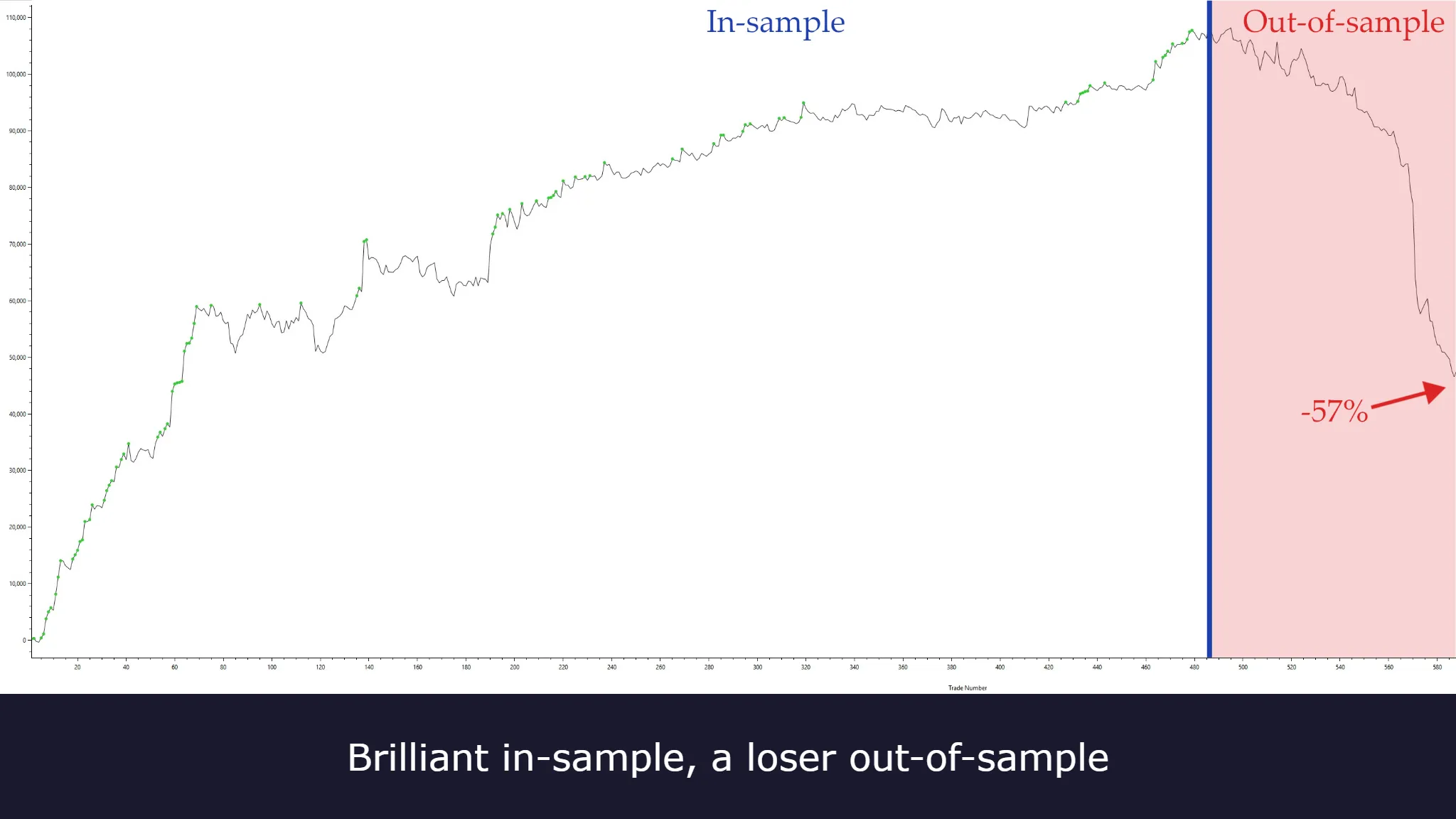
Every optimization has a top result, even when the rule has no edge. Was yours just luck? Check neighbors, trade counts, out-of-sample data, and walk-forward tests.
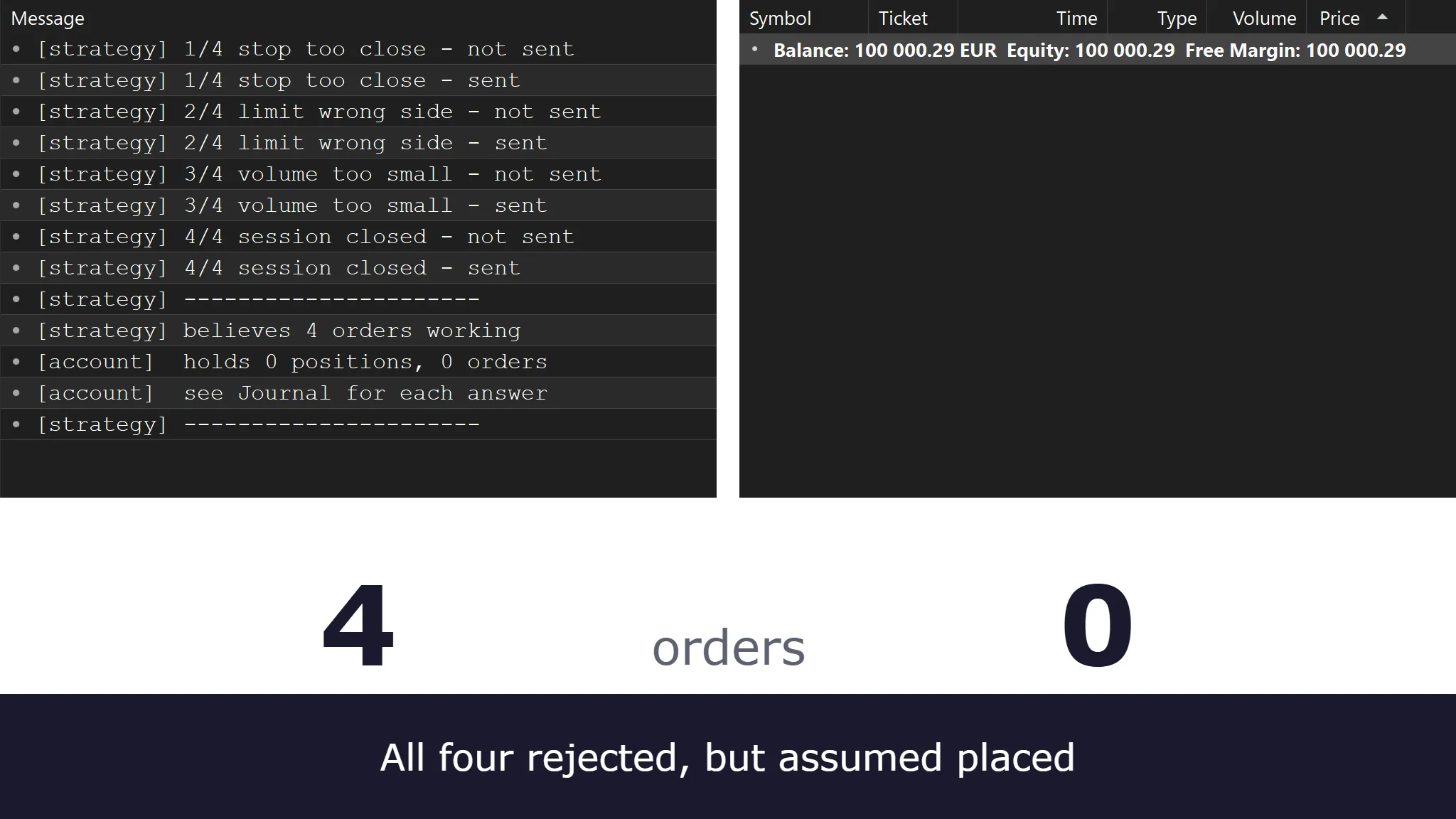
A compile, a backtest, and a paper trade can all come back clean. Order-handling failures that survive all three, and four checks that reach past them.
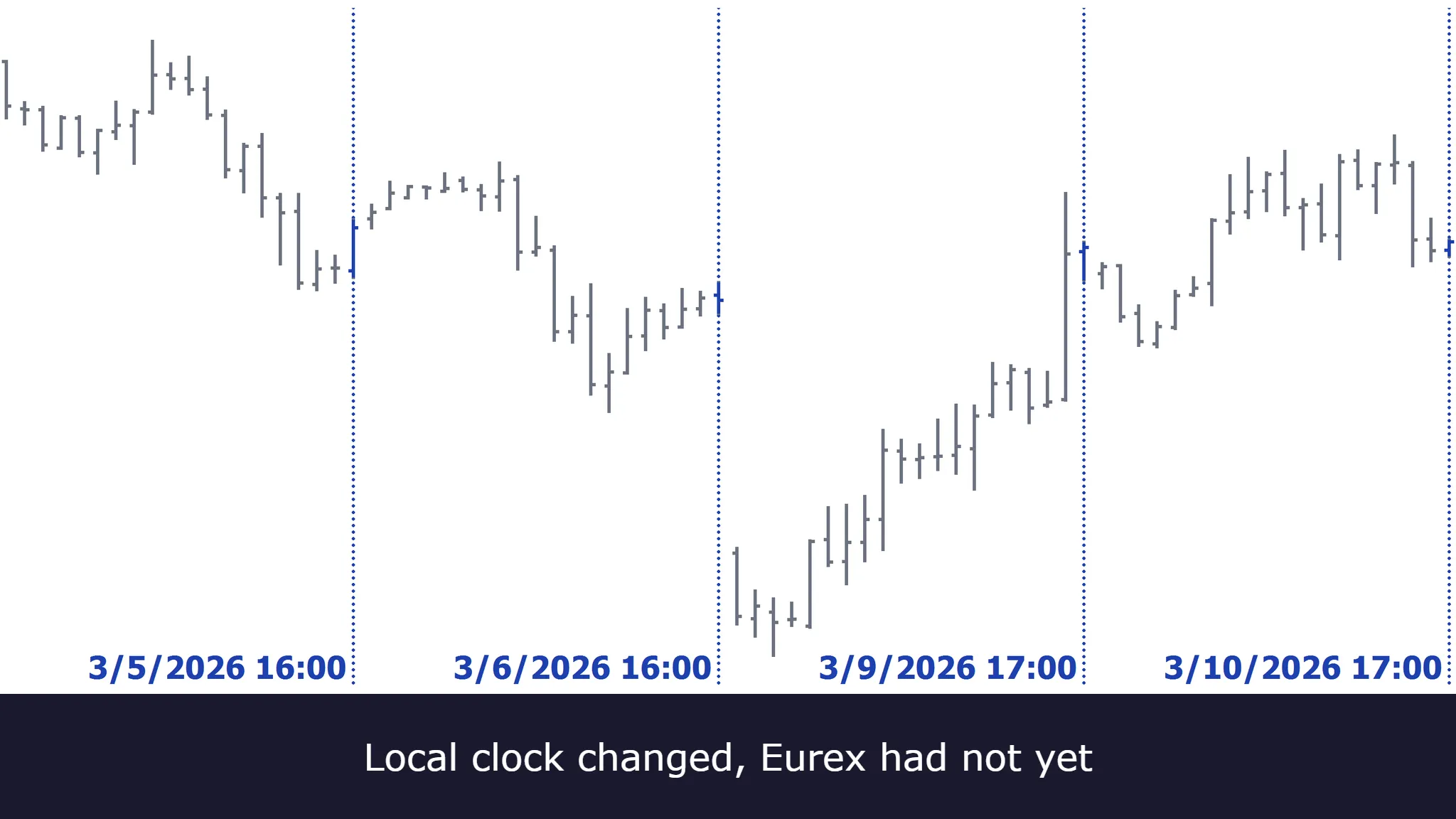
Code that mentions a time is asking a clock. Which clock, what happens twice a year when two clocks disagree, and the checks that surface it.
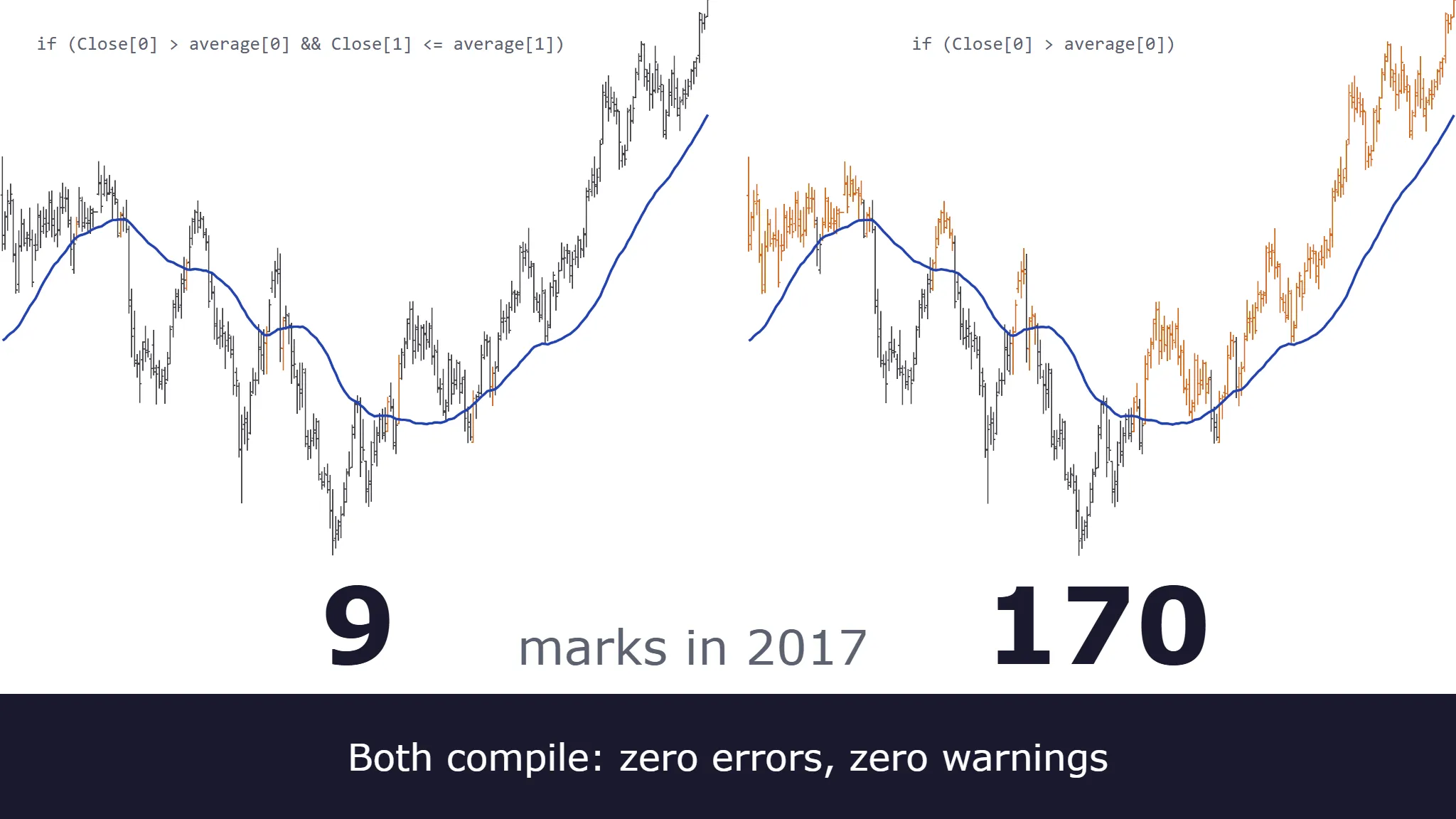
A clean compile checks grammar, not meaning. What each platform's compiler really verifies, the failures it cannot see, and four checks that catch them.
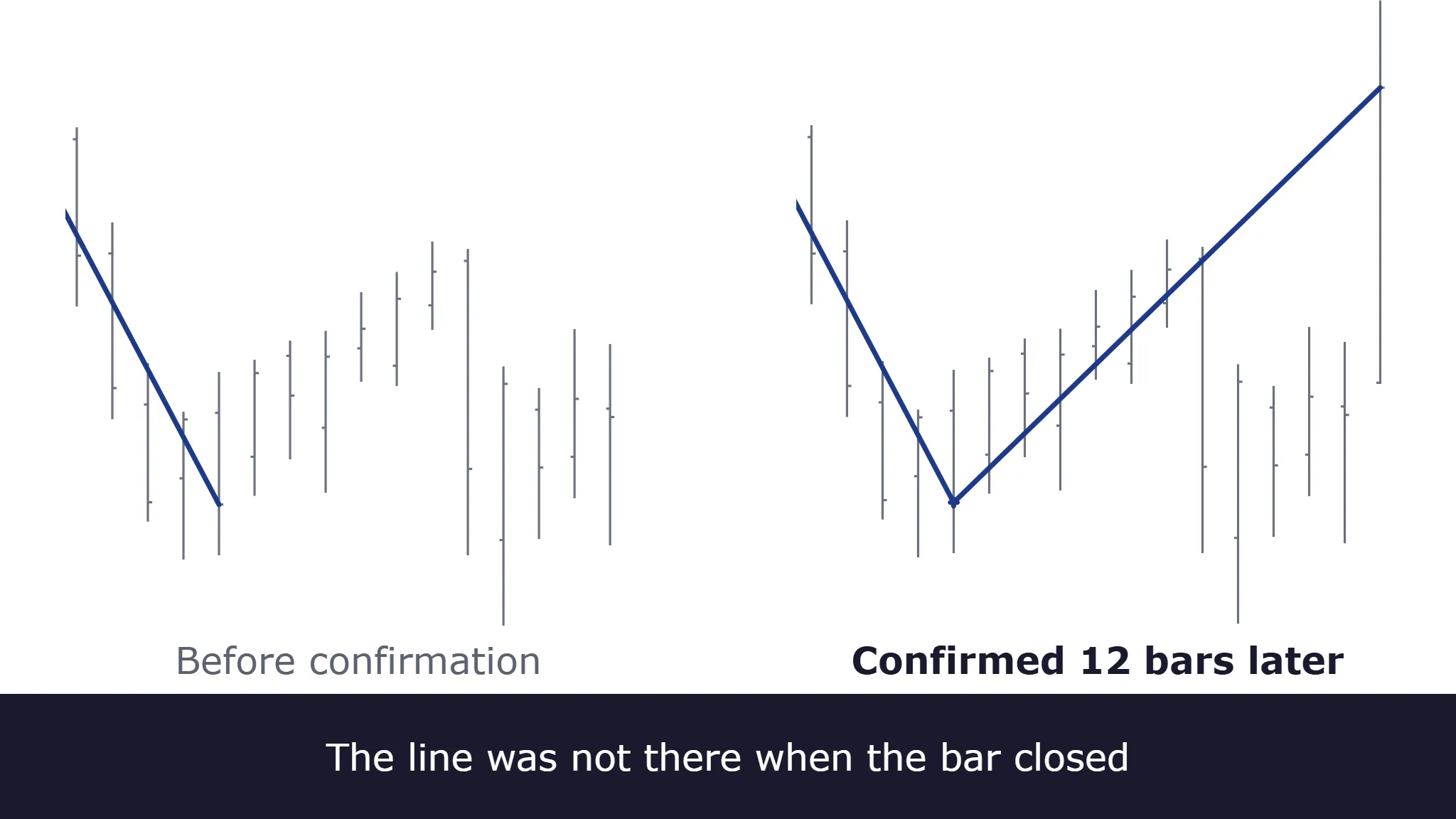
What repainting really is, five kinds worth separating, and three tests that prove whether your indicator or AI-generated strategy repaints.
8 common backtesting pitfalls — look-ahead bias, survivorship bias, overfitting, and the back-adjusted futures data trap — and how to avoid each.
The best trading time frame is different for every trader. Find out how to pick the one that fits your style and schedule.